
Club Fx Guide to Lower Sodium Living
The following article was written by Heinen’s Chief Dietitian, Melanie Jatsek RD, LD.
Listen to this Article
Our bodies naturally need some sodium to keep our muscles and nervous system healthy, the average person consumes more than 3,400 mg of sodium each day— most of it coming from processed foods. To put this in some context, consider the upper limit for sodium is less than 2,300 mg per day with an ideal limit being less than 1,500 mg* per day.
You may be wondering why there is such a campaign against excess sodium in the first place. Before I address that question, let’s get a better understanding of the difference between sodium and salt.
Sodium vs. Salt
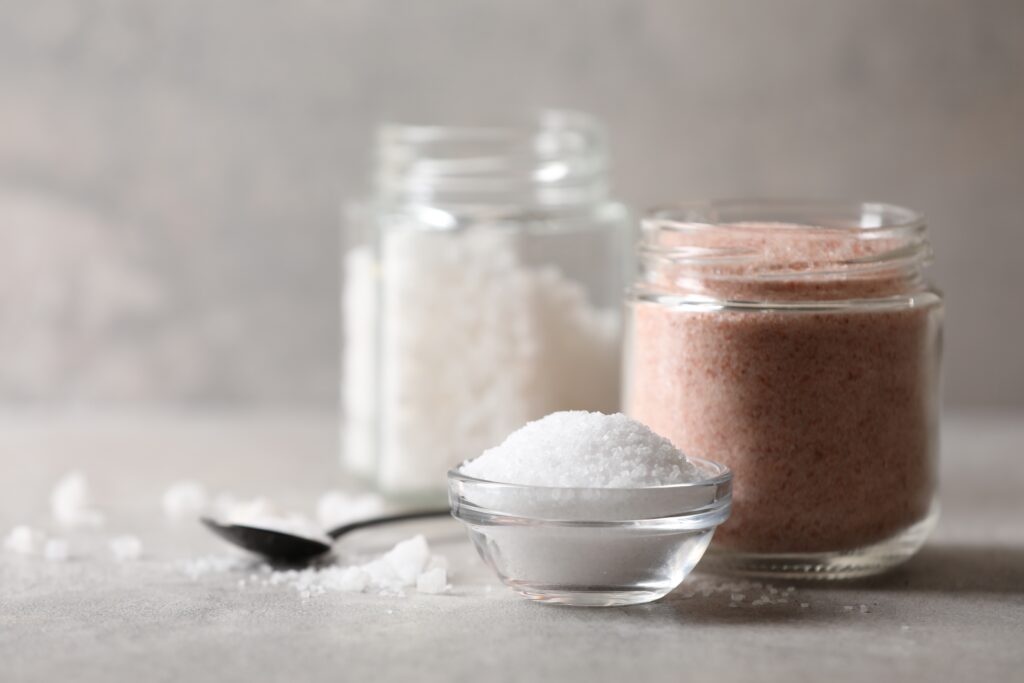
Sodium and salt are often used interchangeably, but they are not exactly the same. Sodium is a mineral that occurs naturally in small amounts in foods like celery, sweet potatoes, pineapple, and collard greens. Table salt, on the other hand, is about 40% sodium and 60% chloride.
Excess sodium in the average American diet is not the result of binging on broccoli and Brussels sprouts, it comes from the sodium added during food processing.
Reasons to Reduce Sodium
According to Dr. Michael Greger, MD, “There remains no single more effective public health action related to nutrition than the reduction of sodium in the diet.”
Too much sodium in the diet:
- Causes high blood pressure. More than 100 randomized controlled trials demonstrate that when you cut down on salt, your blood pressure falls. And the more you cut back, the more it falls.
- Increases risk of stomach cancer, stroke, heart disease, and kidney disease
- Increases inflammation in the body
- May damage the microbiome—the collection of bacteria in your gut responsible for overall health and wellbeing.
In reality, our bodies have evolved to handle only around 750 milligrams of sodium per day. Healthy kidneys maintain a consistent level of sodium in the body by filtering blood and precisely adjusting reabsorption (retention) or excretion of sodium in the urine. But we shouldn’t see that as a license to splurge on salty foods. We still need to take care of our bodies by feeding them less sodium.
Common Sources of Sodium
Sodium is found in abundance in processed foods, along with undesirable ingredients like refined sugars and industrial seed oils (i.e., corn oil, sunflower oil, etc.). Examples of these foods are:
- Frozen meals
- Canned products
- Deli meats
- Cheese
- Cereal
- Packaged convenience food (chips, pretzels, crackers)
- Bread
- Sauces
- Condiments
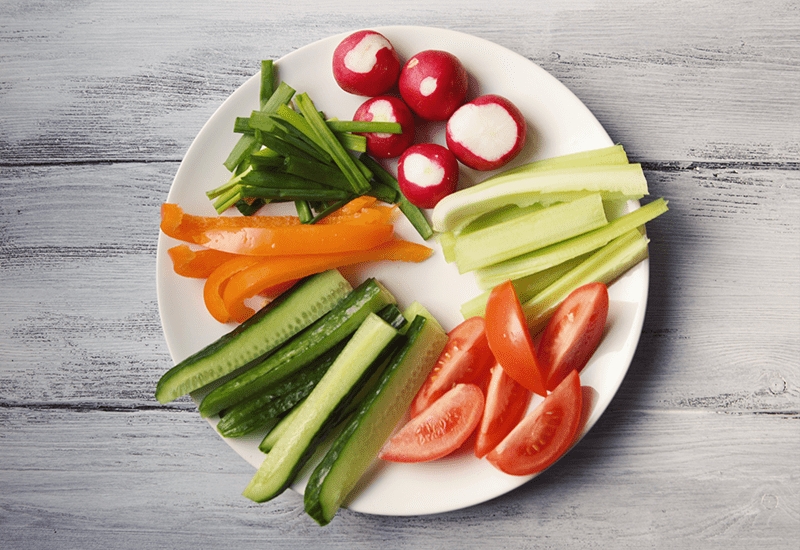
The real problem boils down to this: We are eating way too much sodium and not enough potassium, a blood pressure-lowering mineral naturally found in legumes and fresh fruits, vegetables, and leafy greens.
The Power of Potassium-Rich Foods
Our ancestors consumed large amounts of dietary potassium, to the tune of more than 10,000 milligrams a day. Current daily potassium recommendations are 3500-4700 milligrams, yet most of us don’t even come close to the minimum. Do you want to guess why? That’s right! We are overeating processed foods and undereating produce!
Check out these potassium-rich foods to see how easy it is to meet the minimum recommendations:
- Legumes and beans (cooked): Lentils (731 mg/cup), lima beans (955 mg/cup), kidney beans (717 mg/cup), and soybeans (886 mg/cup)
- Baked potatoes with skin: White potatoes (926 mg) and sweet potatoes (438 mg)
- Fruit: Avocado (975 mg/fruit), dried apricots (755 mg/half cup), prunes (637 mg/half cup), bananas (400-500 mg each), and cantaloupe (427 mg/cup cubed)
- Vegetables (cooked): Beet greens (1309 mg/cup), spinach (839 mg/cup), and acorn squash (896 mg/cup, cubed)
Understanding Sodium Claims
If you’re watching your sodium intake, you know that food labels can be confusing. Here are a few guidelines to help you make sense of the label claims:
- Low sodium: ≤ 140 mg of sodium per serving
- Very low sodium: ≤ 35 mg of sodium per serving
- Sodium-free: < 5 mg of sodium per serving
- Reduced sodium: At least 25% less sodium than the original version
- Light in sodium: At least 50% less sodium than the original version
- No salt added/unsalted: No salt was added during processing, the food may still contain a significant amount of sodium
Lower Sodium Solutions at Heinen’s
The guide below offers a list of lower-sodium Fx-approved products available at your local Heinen’s. Remember, Heinen’s Wellness Consultants are also available to assist you in reading labels and finding products to meet your health goals.
Key Takeaway
Our ancient ancestors were hunter-gatherers and ate from the earth. As a result, they were able to brilliantly meet their body’s sodium demands. This points to the evolutionary truth that when you eat a whole food-based diet and listen to your body, it will never steer you wrong.
* Individual needs vary based on activity level (losing large amounts of sweat) and the presence of certain medical conditions. Check with your health care provider.