
Heinen’s Road Less Traveled: Discover the Flavors of East Asia
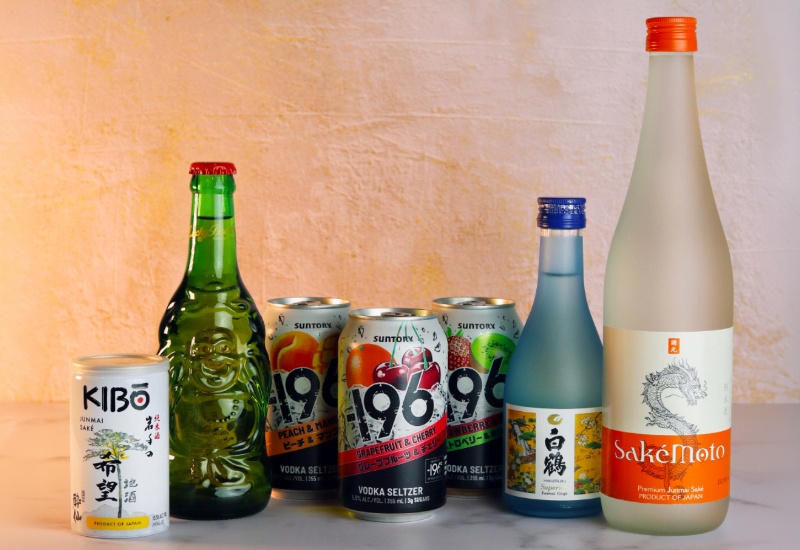
During our searches for some of the greatest regions for interesting products, we realized that by limiting our scope to wine, we were ignoring some of the greatest international options outside of wine! Aside from the obvious beer, there are unique spirits and alcoholic beverages produced all over the world that are amongst the most exciting when pairing food and drink, along with being “new” to a lot of people.
Enter East Asia! Home to some of the most popular alcoholic beverages in the world, the countries of Korea, China, and Japan have diverse drinks that open up lots of new opportunities for enjoying with food, and not limited to the cuisine of Asia, either! Some of the most exciting pairings we tested are with a full scope of international dishes and foods. We have not been this excited to introduce Heinen’s customers to a whole new world of beverages from such a diverse collection of countries.
Soju
While relatively newer in the United States, soju has been the #1 consumed spirit in the world for over 2 decades! What a testament to its popularity elsewhere in the world! Soju hails from Korea.
In its most basic form, think of it as vodka. It is distilled spirit, usually from rice (but can be from a variety of other grains/starches, such as sorghum, tapioca, sweet potato, or wheat). Usually nerved neat (poured into a glass, usually chilled in the fridge first), soju is an extremely social beverage, served at most meals. There is a very social aspect of serving soju; generally, the youngest person present will pour for everyone else as a sign of respect.
Although this base spirit is strong (similar to vodka, generally around 40% ABV), recent trends in the US have popularized lower alcohol versions that are flavored with traditional (and some not so traditional) flavors common in Korea. This makes them very easy to consume on their own, alongside food, or even to treat as a cocktail ingredient when making drinks, like a flavored vodka.
When seeking a soju to feature, we came across the SOONHARI brand, which boasts being the original flavored soju. SOONHARI means “smooth”, and the flavors they offer are indeed that: clean, crisp expressions of fresh fruit. They are subtly sweet, but still very well balanced. These are excellent to enjoy as aperitifs, over ice as a casual cocktail, or alongside your favorite Korean foods.
The flavored soju’s below are our favorites:
- Apple Mango (a perfect bland of crisp, sweet apple and tropical mango)
- Strawberry (so aromatic! Smells and tastes like the freshest, juiciest strawberry)
- Peach (Like picking fresh peaches and juicing them into a glass; evokes summer vibes)
- Lychee (a tropical fruit native to Asia; very floral, like a tropical combination of grapefruit, pear, and jasmine flowers)
- Yogurt (don’t worry! No dairy involved, this is like vanilla, and the most popular flavor in Korea!)
Beer
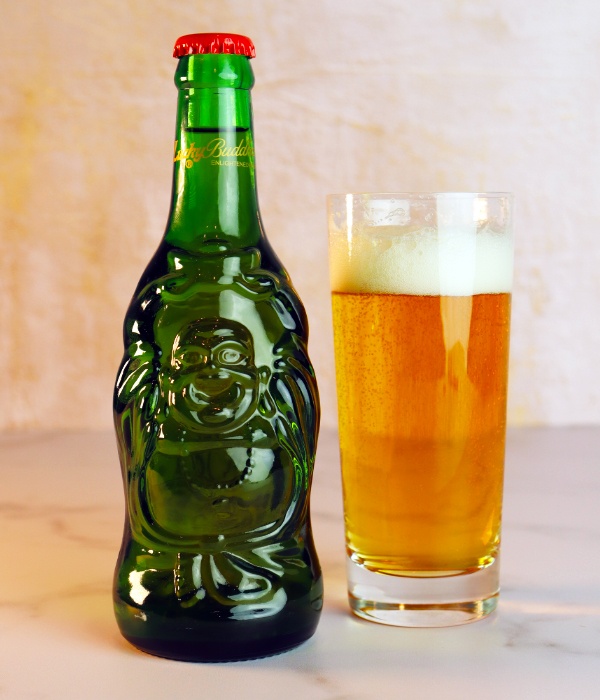
While there are a lot of breweries all over Asia, the one we became enamored with is Lucky Buddha Beer, “the enlightened beer”. Brewed near Qiandao Lake, China, it is a crisp, fresh Chinese rice lager, featuring only flaked rice, malted barley, hops, and pristine lake water. It’s great with BBQ, spicy foods, or mowing the lawn. The packaging on this find is as charming as the beer inside! It features the Lucky Buddha, holding a gold ingot over his head. It promotes good luck, alongside the 4 symbols on the bottom of each bottle (good fortune, happiness, longevity, and prosperity).
If you chill a six pack and open it with your favorite Chinese takeout, you’ll be happy to find that it complements most everything you serve it with. We are “lucky” to have found this addition to our mix from China!
Cocktails
With the popularity of ready-to-drink cocktails, we found some of our favorites from a well-known beverage producer in Japan, Suntory.
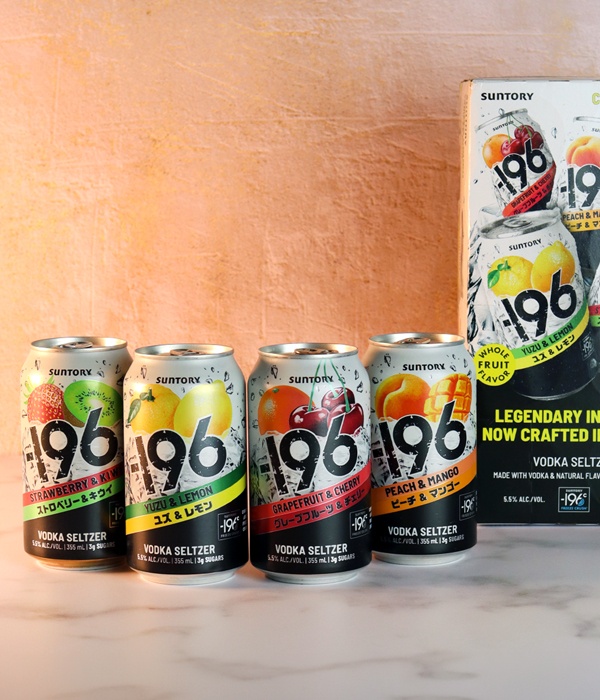
Through a proprietary process, they retain all of the best fruit flavors in their cocktails. The name “-196” refers to a sub-zero temperature. Fresh fruits are deep-frozen, and their essences are extracted and then infused in vodka. They are then combined with seltzer to provide a refreshing cocktail that has all of the best fruit characteristics preserved. This technology was developed in Japan, and their launch of Lemon took the world by storm, quickly becoming one of the top alcoholic beverages in Australia!
They have developed several new flavors since, and their new Combo Crush variety pack features some distinctly Japanese flavors that we feel are perfect for summer sipping. They include grapefruit & Cherry, Yuzu & Lemon, Peach & Mango, and Strawberry & Kiwi. Simply pop the can and enjoy straight or over ice. The convenience of these premium canned cocktails is only surpassed by their quality.
Sake
By far one of the most exciting (and potentially confusing) categories we are exploring with this feature from Asia, sake is one of the oldest alcoholic beverages in the world, dating back to 500 BC. It has become refined and elevated in the last hundred years or so, and the selections we have chosen highlight the different styles and production methods.
In its simplest form, sake is rice that is brewed, more like beer than wine. Specific sake rice is first polished to remove unwanted flavors. It is then heated and combined with water and yeast, where fermentation occurs, converting the starch in the rice to sugar and then alcohol. The sake is then filtered, pasteurized, and bottled. What differentiates the styles of sake is the type of rice used, the type/region of Japan it is produced in (which affects the water), and the amount of polish the rice undergoes (the more polished away, the more refined and pure the sake becomes).
Most sake is around 14% to 17% alcohol, so slightly stronger than most wines. They are generally served chilled, and it is generally expected that you do not pour your own sake. What was most eye-opening for our team was the versatility of sake and food pairings! While there are some wine pairings that work very well, there are also many that clash and produce off-flavors.
Sake generally pairs well with EVERYTHING! And some combinations are truly amazing. We are featuring the following sakes, listed with their styles, descriptions, and best pairing options. As an added bonus, sake is naturally gluten-free, and there are zero added sulfites in any sake we offer (a minuscule amount is naturally produced during fermentation).
- Hakutsuru Sake 3 pack – Three styles of sake in one pack, excellent for trial and education; a DO IT YOURSELF sake tasting, featuring a Nigori, a Draft Sake, and a Junmai Gingo sake.
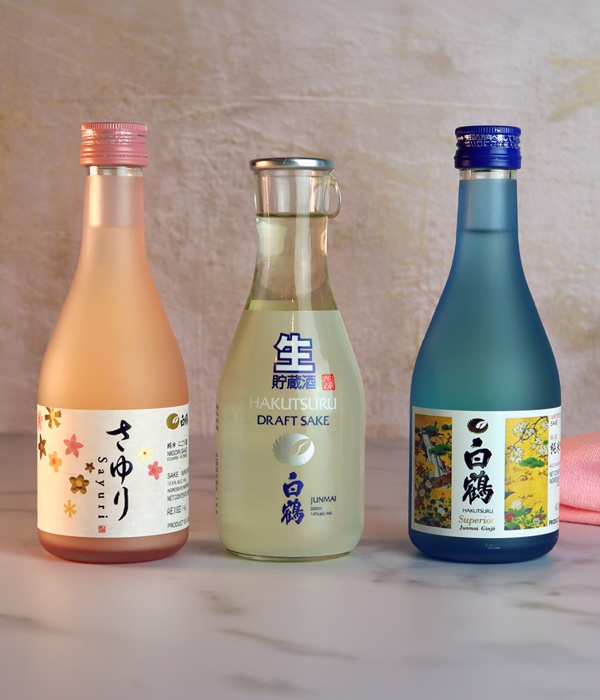
- SakeMoto – A Junmai sake, with aromas and flavors of pineapple, apple, and papaya. Bright, lingering finish. Try with fish tacos, sushi, or fried calamari.
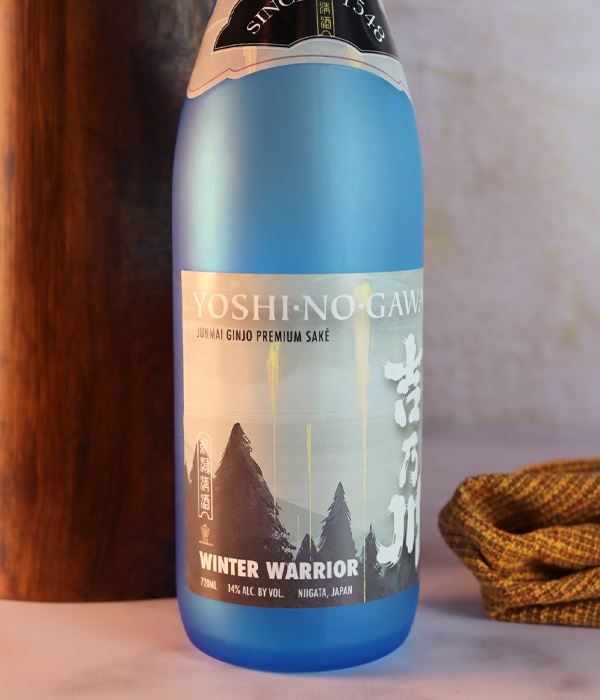
- Yoshi No Gawa Winter Warrior – A Junmai Gingo sake, it shows tropical notes of melon and lychee with a clean medium body. Dry! Serve with simple pork dishes, fresh fruit, or chilled asian salads.
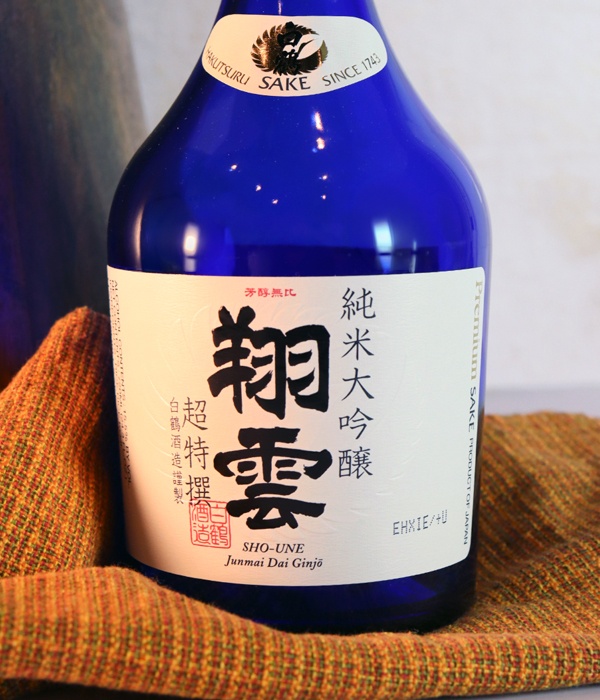
- Hakutsuru SHO UNE – A Junmai Diginjo sake, exhibits gentle aromas of crisp apple, ripe nectarine, and soft pear; Dry! Pair with savory hard cheeses or seafood. Unbelievable with charcuterie and pepperoni pizza.
- Hakutsuru Sayuri Nigori – A Nigori sake (naturally cloudy). Subtle notes of white grape and cherry blossom; off-dry. Excellent with spicy foods, rich desserts, or chicken teriyaki. Be sure to shake prior to serving!
Plum Wine
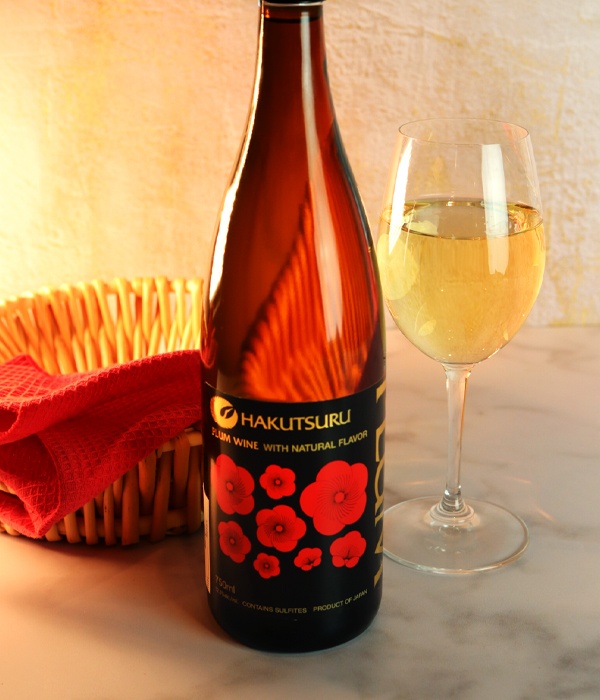
Interestingly enough, more is consumed in Japan than any other alcoholic beverage (including sake and beer) is plum wine. Made from small, unripe green plums called UME, this is one of the most unique products we have ever tried and easily a team favorite in our tastings! The aromas that come off this are stunning. Aromas of juicy plum and exotic tropical flowers, this is incredibly balanced on the palate. A delicate sweetness is perfectly balanced by the wine’s natural acidity. Serve chilled or over crushed ice.
Unlike other plum wines in Japan, this is produced with nothing but Japanese plums, yeast, and water (others are often cheap infusions with neutral wine bases). This is also naturally gluten free and has no added sulfites. This pairs so well with pungent cheeses like blue cheeses or washed-rind cheeses. Put alongside a spicy dish (Mexican, Korean, Indian curry, the possibilities are endless). This can also be served alongside rich desserts like cheesecake. Extremely versatile and dangerously drinkable.
Try these International Beverages Today
From refreshing rice lagers to delicate sake and fruit-forward cocktails, the beverages of East Asia offer a whole new perspective on pairing food and drink. Whether you’re exploring soju for the first time, discovering the versatility of sake, or simply cracking open a crisp beer alongside your takeout, these selections show just how exciting the international beverages of East Asia can be. We invite you to stop by your local Heinen’s to explore these unique offerings and bring a taste of Korea, China, and Japan to your next meal or gathering.