

Natural Remedies for Joint and Muscle Pain
The following article was written by Heinen’s Chief Dietitian, Melanie Jatsek RD, LD.
Listen to this Article
Natural Remedies for Joint and Muscle Pain
When it comes to physical pain, our first impulse may be to blame our aching knees on the three hours we spent gardening yesterday or our chronic headache on financial stress. Jumping straight to food as the source isn’t something we naturally do. But maybe we should consider it as a piece of the pain puzzle!
I’m not saying gardening (or your finances) isn’t part of the problem, but food plays a much bigger role in pain than most of us realize.
It all comes down to inflammation.
The Dietary Inflammatory Index
The Dietary Inflammatory Index (DII) is a tool that scores the inflammatory potential of one’s diet. Research shows that lower DII scores (pro-inflammatory diets) are strongly associated with:
- A higher risk and severity of chronic pain, including joint pain, headaches, and back pain
- Impaired kidney, lung, and liver function
- A higher risk of cardiovascular disease and cancer
- Impaired memory and cognition
- Faster aging at a cellular level.
The bottom line is that inflammatory foods trigger inflammatory reactions in our body, and pain is the most immediate and obvious sign of all. After all, do you know what high cardiovascular disease risk feels like? Me neither.
Even though it’s uncomfortable, pain can be a blessing in disguise because it’s our body’s way of communicating that something is out of balance. It gives us an opportunity to get to the root of the problem so we can make a change. And when that change involves improving our nutrition, it may even help conditions we didn’t know were developing beneath the surface.
Pro-Inflammatory Foods
It should come as no surprise that these foods ranked as pro-inflammatory on the DII:
- Refined white flour products (bread, pasta, pretzels)
- Deep-fried foods
- Commercial baked goods such as snack cakes, cookies, and brownies
- Foods and drinks high in added sugar (candy, granola bars, soda, sweetened tea, etc.)
- Foods containing trans fats (margarine, microwave popcorn, non-dairy creamers, etc.)
- Processed meats
According to the National Institutes of Health (NIH), foods high in salt, sugar, and fat can increase swelling and worsen muscle and joint pain.
In contrast, nutrient-dense, whole foods that are rich in antioxidants, fiber, vitamins, and minerals can help fight swelling and ease muscle and joint pain.
Anti-Inflammatory Foods: Fiber-Filled Whole Plant Foods
The power of plants is real, as evidenced by a recent study showing a 33% drop in C-reactive protein levels (a leading blood marker of systemic inflammation) after only three weeks on a strictly plant-based diet rich in fresh fruits and vegetables, whole grains, legumes (beans, split peas, chickpeas, and lentils), and nuts and seeds.
Besides an anti-inflammatory ranking on the DII scale, another thing these whole plant foods all have in common is fiber. But what does fiber have to do with pain? It turns out that whole plant foods reduce not only the risk of abdominal pain, but also muscle and joint pain.
When we eat fiber-rich plant foods, our good gut bugs produce substances called short-chain fatty acids (SCFAs). The SCFAs, in turn, produce anti-inflammatory molecules that act as natural pain modulators, soothing our nerves by stopping the inflammation that triggers physical pain. In a way, short-chain fatty acids function similarly to a built-in, continuous dose of over-the-counter pain relievers.
Along with fiber, whole plant foods are rich in polyphenols that also act as anti-inflammatory substances.
If you’re looking for foods that are packed with these anti-pain nutrients and rank as anti-inflammatory on the DII scale, then you’ll want to add these staple items to your grocery list for your next Heinen’s trip.
Herbs and spices
There’s a reason we deem functional foods like herbs and spices worthy of their own Fx Pillar– they are downright therapeutic!
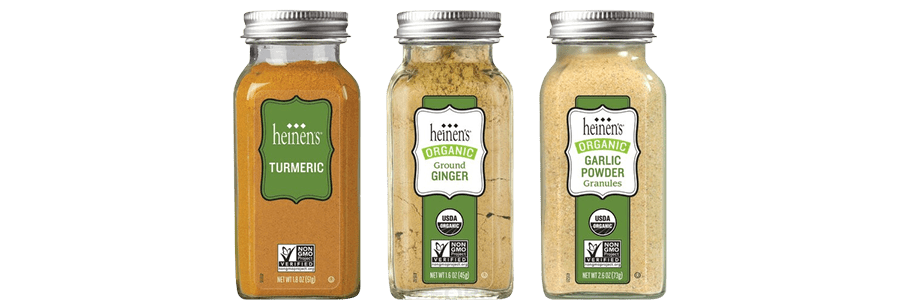
- Turmeric powder– Turmeric scores as the most anti-inflammatory food on the DII scale. Curcumin—the pigment in turmeric responsible for its bright yellow color—exhibits an anti-inflammatory profile stronger and broader than that of powerful anti-inflammatory drugs.
When taken over time, many turmeric preparations can be beneficial for inflammatory diseases of the joints, including purified curcumin, turmeric extracts, and about a half-teaspoon of powdered turmeric daily.
- Ginger powder – Research shows that those who used a half teaspoon to one and three-quarters teaspoons of ground ginger over a four to twelve-week period found a significant reduction in inflammatory markers.
Ginger’s pain-reducing effects in rheumatoid arthritis and osteoarthritis are up there with ibuprofen, and without damaging the stomach lining. In fact, ginger actually protects the stomach and can help ease nausea.
- Garlic powder– Garlic powder is so much more than a savory seasoning for your salad dressings and sauces. It appears that a third of a teaspoon of garlic powder a day significantly improves pain intensity, tender joints, fatigue, and disease activity among women with active rheumatoid arthritis. Why not give it a try?
Meal Ideas:
- Blend 1/2 teaspoon of ground turmeric and 1/2 teaspoon of ground ginger into your favorite smoothie recipe.
- Sprinkle a 1/3 teaspoon of garlic powder on your salad at lunch or dinner.
Berries
If you’re going to up your fruit intake, make sure you eat more berries. Blackberries, blueberries, cranberries, raspberries, and strawberries are second only to herbs and spices as the most antioxidant-packed food category.
To illustrate how truly powerful they are, a randomized, double-blind crossover trial showed that about three cups worth of strawberries a day significantly improve pain and inflammation associated with osteoarthritis of the knees.
Meal Ideas:
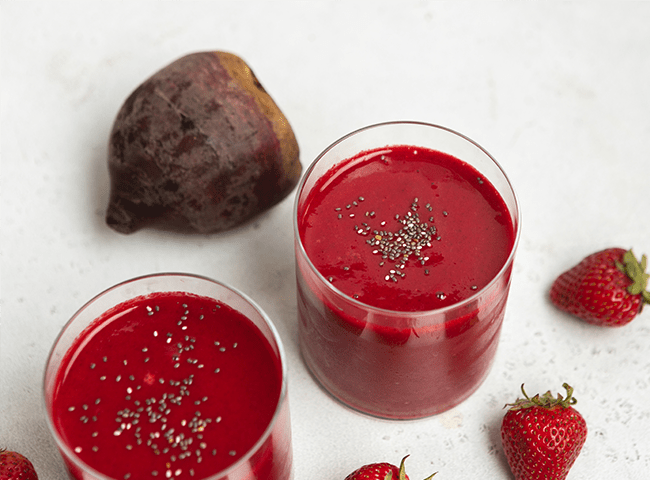
- Make this Strawberry Vanilla Beet Smoothie for breakfast using Heinen’s frozen strawberries.
- For dessert, enjoy 2 cups of fresh sliced strawberries from Heinen’s Produce Department.
Nuts and seeds
All nuts and seeds are good at reducing inflammation, particularly those higher in omega-3 fats like walnuts, chia seeds, flaxseeds, and hemp seeds. Even though sesame seeds are higher in omega-6 fats, they show promise in regard to pain relief.
- Sesame seeds: Sesame seeds contain anti-inflammatory compounds, like sesamin and sesamol, which researchers suspect may serve as a potential treatment for various inflammatory diseases. For example, a study of fifty patients with osteoarthritis of the knee found relief after including 1/4 cup of sesame seeds in their daily diet. They described their pain as a 9 out of 10 at the beginning, and by the end of the 2-month study, they rated their pain at a 3.5.
- Sesame oil shows some promise, too, but only when applied topically. Another study found that when compared to leading topical NSAID gels, sesame oil worked similarly for pain and some measures of function when applied topically to osteoarthritic joints.
Meal Ideas:
- Stir a tablespoon of sesame seeds into steel-cut oats or pilafs.
- Sprinkle a tablespoon of sesame seeds over grain bowls, avocado toast, roasted veggies, or salads.
Green and Black Tea
Both green and black tea ranked as anti-inflammatory on the DII. Green tea is so anti-inflammatory that it can be used for pain control as a mouthwash after wisdom tooth surgery. Matcha tea is the superman of green tea because it uses the whole tea leaf and is therefore super concentrated.

Homeopathic Supplements and Topicals for Pain Relief
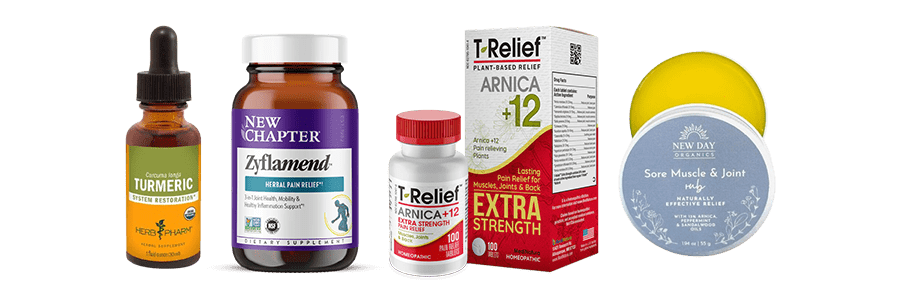
It’s always helpful to have a couple of homeopathic remedies on hand for extra support. Here are four that can help you alleviate pain in a more natural way.
- Herb Pharm Turmeric Extract- Made with the rhizome of Certified Organic Curcuma longa plants, this USDA Organic turmeric tincture is a good alternative to capsules and gummies. Add one dropper full into 2 ounces of water or juice to enhance overall well-being, including muscle and joint support.
- New Chapter Zyflamend- A clinically studied multi-herb blend of rosemary, turmeric, ginger, holy basil, and oregano– all proven to work better together than individually. These herbs support a healthy inflammation response, joint function, mobility, and flexibility, plus herbal pain relief.
- MediNatura T-Relief Extra Strength: Dissolvable tablets made from Arnica, a plant with bioactive components that may help with joint and muscle pain, inflammation, and bruising.
- New Day Organics Sore Muscles and Joint Rub: A soothing, fast-acting botanical balm made from Arnica-infused olive oil for sore muscles and aching joints. Naturally helps to relieve soreness, decrease inflammation, and soothe tension for people with symptoms of osteoarthritis, muscle pain due to overuse, or for post-workout recovery.
Key Takeaway
I have a little sign in my office that reads “You are what you eat”. Another way to say it is “You become what you consume”. If we want to be as healthy and pain-free as possible, doesn’t it just make sense to choose foods that help us feel this way?
* Be sure to check with your healthcare provider before starting any new supplements.

Nice , A very complete report on PAIN , THANKS
melanie is THE BEST – period.
This is a fantastic article. Not only is it informative, but you have so many ways to implement the information. Thank you!
The article confirmed what I had previously read about the remedies mentioned in the article. The article by Melanie Jatsek gave me a better understanding of the importance of including these anti-inflammatory products into my dies and to avoid as much as possible to exclude those foods that increase inflammation out of my diet as much as possible. I am going to use the above mentioned remedies and foods for the next 12 weeks to see if there is any improvement.
This was very informative and gave me lots of ideas to include into my daily meals. Thank you!!!
This was such a well thought out researched article! Every word blessed and inspired me to change my diet for optimal health for my joints. I have bad knee and back pain. Thank you Melanie! Your gift of knowledge was a blessing for me this morning!
Thanks for this article! Healthy foods equals better health. I learned new ways to incorporate ingredients into my diet. Including the studies adds validity for those that may be skeptical. I’d rather avoid the health issues than have to fix them! Keep up the excellent articles and recipes!
So beneficial, Melanie, to have your consistent and enthusiastic encouragement to enhance our eating habits and provide us with product knowledge to do so.
Thanks Melanie for this thoughtful article. I already consume many of the substances that you mentioned but will add others. The information was new to me and very helpful in my goal of eating more healthful foods.
Thank you, I normally read your articles, but this time I decided to lister. You have such a cheerful voice and so enjoyed your presentation. I am eating so many of the foods you have shared. Especially fruits veggies and seeds. I have lowered sugar intake and eliminated coffee. No gluten and only quality dairy … I get the Nancy’s whole yogurt and cottage cheese.
My inflammation is showing up through eczema flare ups on my hands. Would love to hear more information about foods and supplements to help heal eczema. Namaste Caitlin
Thank you for specifying the amounts of herbs like turmeric to take to get benefits. This post is so informative!
Excellent Information. Thank you, Heinen’s and Melanie, for providing a quick reference list on this important topic about inflammation contributors in out diets that adversely affect our health and can be avoided.