

High Protein Diets Debunked
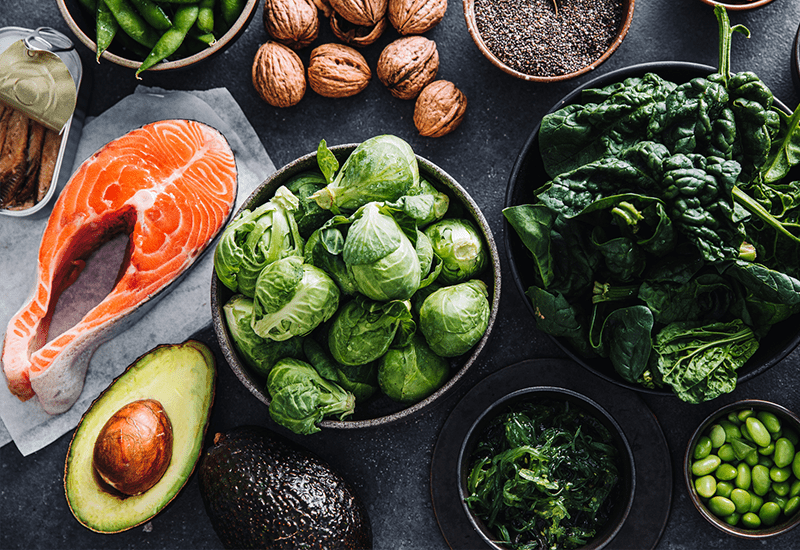
The following article was written by Heinen’s Chief Dietitian, Melanie Jatsek RD, LD.
Listen to this Article
If something is good for you, more is probably better, right? Wrong!
Water is essential to life, but drinking too much of it can cause a life-threatening condition known as hyponatremia. On the flip side, you can’t live without sleep; however, sleeping too much can make you feel drowsy!
Let’s apply this logic to the recent protein trend. I won’t lie; it makes me a little crazy! Don’t get me wrong, just like water and sleep, dietary protein plays an important role in the body. Muscle maintenance, wound healing, enzyme and hormone production, and immune system support are among its responsibilities.
Like water and sleep, the goal shouldn’t be more protein, but enough protein.
Protein Pushback: Why More Isn’t Better
So far, we’ve established that protein is an essential nutrient for our body. Now let’s talk about what can happen when we overdo it.
Excess protein raises Insulin-like Growth Factor 1 (IGF-1)
IGF-1 is one of our body’s most noteworthy growth hormones, especially important in the womb and during childhood growth.
In adulthood, adequate IGF-1 levels are needed for bone maintenance, muscle mass, and brain function. When IGF-1 levels become too high, however, the risk of certain cancers (breast, colorectal, prostate) goes up. High IGF-1 levels are also associated with all-cause and cardiovascular mortality.
Protein is a key dietary influencer of IGF-1. It turns out that excessive amounts of protein raise IGF-1 to unhealthy levels. Taming these levels can be achieved simply by avoiding malnutrition—by eating an adequate, but not excessive, quantity of protein, mainly from plant foods.
Why the focus on plant foods? Animal protein seems to have a stronger effect on raising IGF-1 levels due to its profile of amino acids, the building blocks of protein. To keep IGF-1 levels in a safe range, we should focus on reducing the amount of animal protein in our diet.
Too much protein is unkind to kidneys.
Evidence suggests that high protein diets may cause worsening kidney function in those with—and perhaps without—impaired kidney function.
According to the Journal of the American Society of Nephrology, high dietary protein intake can cause high pressure in the kidney’s filtering units, which may result in overworking the kidneys, damage to the kidneys’ tiny filters, and proteinuria (loss of protein through the urine).
The type of protein you eat matters, too. Diets high in animal protein may put more stress on the kidneys than plant protein because they increase the body’s acid load, provide more phosphorus, disrupt the balance of healthy gut bacteria, and promote inflammation.
Finding Your Protein Sweet Spot
You’re probably wondering how much protein is enough for good health. The recommended daily intake of protein is a lot less than you may think!
- Adults age 19-49: 0.36 grams of protein per pound of healthy body weight, which translates to 36 grams per 100 pounds of body weight.
- Adults age 50 and over: 0.45-0.54 grams of protein per pound of healthy body weight, or 45-54 grams of protein per 100 pounds of body weight.
- For wound healing: increase protein to 0.6-0.7 grams per pound, or 60-70 grams per 100 pounds.
Fx-Approved Plant and Animal Sources of Protein at Heinen’s
Fx Pillar 4 was created to help you make the healthiest protein choices for your body. It goes like this: Pick your protein: Choose plants over fish over fowl over grass-fed beef.
It offers a protein hierarchy based on science, not opinion. You don’t have to eliminate meat and seafood; just make sure plant protein is on your plate first!
But isn’t plant protein considered incomplete? First, a complete protein is one containing all nine essential amino acids, the building blocks of protein. You may have heard that the only complete protein is animal protein, but that’s a myth! Second, it turns out all plant proteins are complete proteins. In fact, the only incomplete protein in the food supply is the animal protein collagen (i.e., gelatin), which is missing the amino acid tryptophan.
For a list of the best sources of plant and animal-based protein available at your local Heinen’s, see: How to Find the Perfect Balance of Protein for Your Body.
Key Takeaway
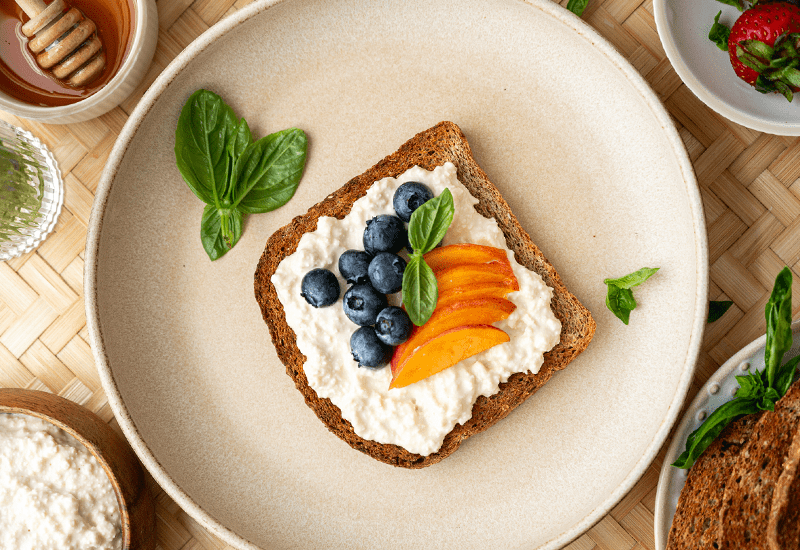
The recent protein trend will have you believe that more is always better—but that’s not how nutrition works. Instead of chasing high-protein diets, aim for the right amount of protein for your age and health needs, with plant protein making up the foundation of your diet and animal protein playing more of a supporting role.

Hi Melanie! Thank you so much for this article pointing out the dangers of excess protein consumption. It seems like everywhere you look, especially on the internet, people are telling you to eat at least 1 gram of protein per pound of body weight or giving you a recipe that has insane amounts of protein with eggs + egg whites + cottage cheese + lean meat. It’s absurd! The body is a miracle and moderation in all things, including protein consumption, is a good idea. Thanks for putting the brakes on the this latest trend with some hard facts.