
Eat Your Way to Stronger Bones
The following article was written by Heinen’s Chief Dietitian, Melanie Jatsek RD, LD.
Listen to this Article
Do you remember those “Got Milk?” ads with celebrities and athletes encouraging us to drink milk for strong bones? Or maybe you learned about milk in grade school as the drink of choice if you wanted to grow up strong like your favorite superhero. Ask anyone old enough to talk what builds strong bones and the majority will confidently declare “milk!”
But what if this isn’t exactly true?
Don’t get me wrong, I’m not trying to build a case against milk. My goal here is to challenge commonly held beliefs with science-backed facts and simple food-based solutions for healthy bones.
Before we get to that, it’s important to understand the conditions and lifestyle habits that threaten bone health in the first place.
Osteopenia and Osteoporosis
Although they both describe conditions of the bone (osteo = bone), osteopenia is like the red light on your car dash warning you that your bones have insufficient mineral content. Osteopenia means a loss of bone density (penia = deficiency), which increases your risk of fractures. Just like ignoring your car’s “check engine” light is never a good idea, ignoring this diagnosis has consequences. If left untreated, osteopenia can progress to a disease of brittle bones called osteoporosis (porous bones).
Osteoporosis is characterized by reduced bone formation, excessive bone loss, or a combination of both. It leads to fragile bones and contributes to millions of fractures every year– one-third of which are experienced by men.
Osteopenia and osteoporosis are called “silent” conditions because you don’t feel your bones weakening. Physical changes like persistent back pain, height loss, stooped posture, and bone fractures from normal daily activities can serve as osteoporosis warning signs. But these aren’t inevitable consequences of aging.
Fortunately, there are steps you can take to minimize risk. And if you have a diagnosis of osteopenia or osteoporosis, these steps can help you slow, stop, or in some cases reverse further bone loss.
Bone Health Hazards
Want a stronger skeleton? See if any of these bone-weakening habits and lifestyle factors ring true for you.
- Excess alcohol consumption
- Not eating enough fruit and vegetables
- Eating too much sodium
- A sedentary lifestyle
- Being underweight or overweight
- Smoking
- Insufficient nutrients like calcium, vitamin D, magnesium, and vitamin B12
- Certain medications like steroids, acid-blockers, anticoagulants, and antidepressants
Did you notice how over half of these hazards relate to nutrition? Isn’t it empowering to know that there’s a lot you can do to prevent and reverse bone disease by simply being more mindful of what goes into (and stays out of!) your mouth?
Bone-Building Vitamins and Minerals
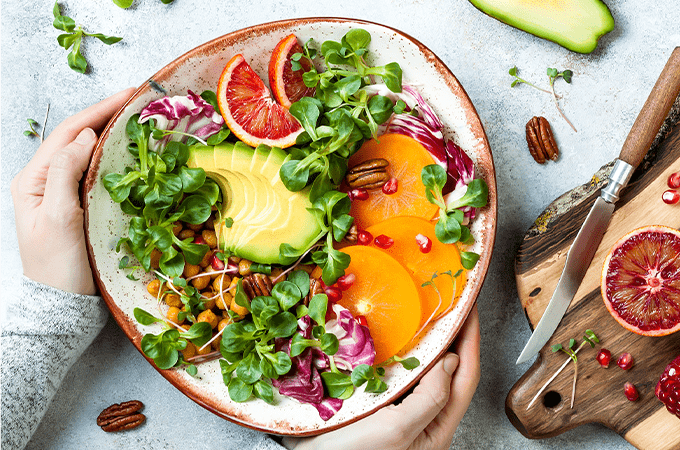
Proper nutrition is paramount for healthy bones, and following an Fx-centered diet can get you there. Meals built around whole plant foods are full of bone-friendly nutrients like calcium, magnesium, potassium, and protein with an added boost of fiber and antioxidants—two bioactive compounds unique to plants.
Since calcium is the most abundant mineral in the body and 99% of it is in our bones and teeth, it makes sense to take a closer look at it to understand how much we should be getting each day and the best food sources for our bones.
Calcium
Aging alone causes our bones to lose more calcium than they gain, which increases our risk of osteoporosis. Postmenopausal women are especially vulnerable. This is why dietary calcium gets such special attention, and why we need to be sure we are getting enough of it.
Here are the daily recommended dietary allowances (RDAs) for calcium based on age:
· 0–6 months = 200 mg
· 7–12 months = 260 mg
· 1–3 years = 700 mg
· 4–8 years = 1,000 mg
· 9–13 years = 1,300 mg
· 14–18 years = 1,300 mg
· 19–50 years = 1,000 mg
· 51–70 years = 1,000 mg for men; 1,200 mg for women
· 71+ years = 1,200 mg
To spot any calcium gaps in your diet, I recommend logging your meals for a few days in a free nutrition app like Cronometer. Then fill in any deficiencies with these Fx-approved plant sources of calcium:
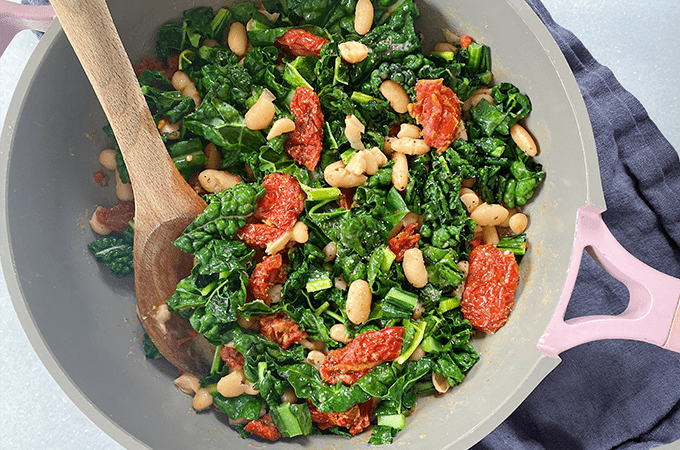
- Greens (Fx Pillar 1): low-oxalate greens like kale, bok choy, collard greens, turnip greens, and mustard greens are concentrated sources of calcium that are easily absorbed by your body
- Rainbow fruits and vegetables (Fx Pillar 2): dried figs, broccoli
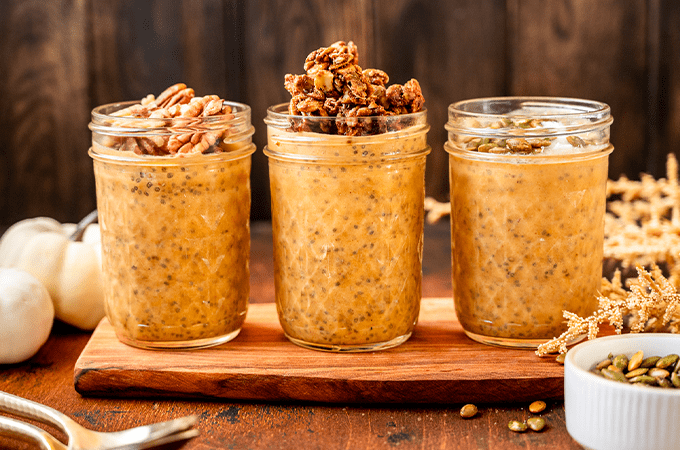
- Omega-3-rich nuts and seeds (Fx Pillar 3): sesame seeds, chia seeds, almonds, hazelnuts (filberts), tahini (sesame seed butter).
- For a bone-building breakfast, try this delicious make-ahead Pumpkin Chia Seed Pudding.
- Legumes (Fx Pillar 4): edamame, kidney beans, chickpeas, black beans, pinto beans, white beans, green peas
- Note: To increase bioavailability of calcium, soak dried beans for several hours or overnight, then drain, rinse, and boil in fresh water.
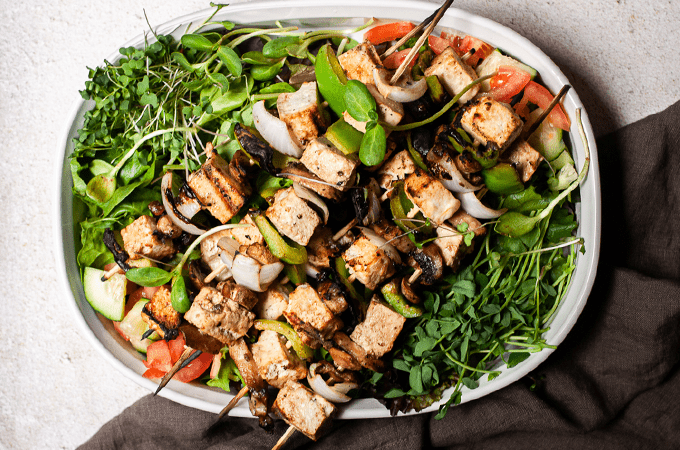
- Soy foods (Fx Pillar 4): edamame (including edamame pasta), tofu, tempeh
- These calcium-rich Grilled Tofu and Mushroom Skewers are a smart summer solution for your meatless Monday menu!
- Whole grains (Fx Pillar 5): amaranth, quinoa
Right now, you’re probably scratching your head thinking, “But Mel, what about dairy products? Don’t they have the most calcium of any food?”
While it’s true that dairy products provide a lot of calcium, when scientists looked at populations around the world, they discovered that countries that eat the most dairy—like the US, Great Britain, and Scandinavia—tended to have the highest rates of hip fractures. What’s more, populations with the lowest dairy intake (i.e., Asia and Africa) were found to have much lower fracture rates.
One explanation for this could be that diets high in dairy also tend to be higher in sodium (from processed food), which increases the amount of calcium your body flushes out in your urine.
Another reason is that unlike dairy products, plant foods offer calcium along with other bone-supporting nutrients that work synergistically. In fact, vegetables like low-oxalate greens offer better calcium absorption than dairy!
Vitamins D3 and K2
These two vitamins work together to support bone health. Vitamin D3 promotes calcium absorption while Vitamin K2 directs calcium to your bones instead of allowing it to build up in your arteries.
Although you can get vitamin D from sun exposure and food sources like mushrooms, supplementation is often necessary to achieve optimal levels.
Vitamin K2 is created by bacteria and therefore found in fermented foods like raw sauerkraut and natto (fermented soy). Our own gut bacteria also make K2—another reason to build your meals around whole fiber-rich plant foods to feed your friendly flora and keep them thriving!
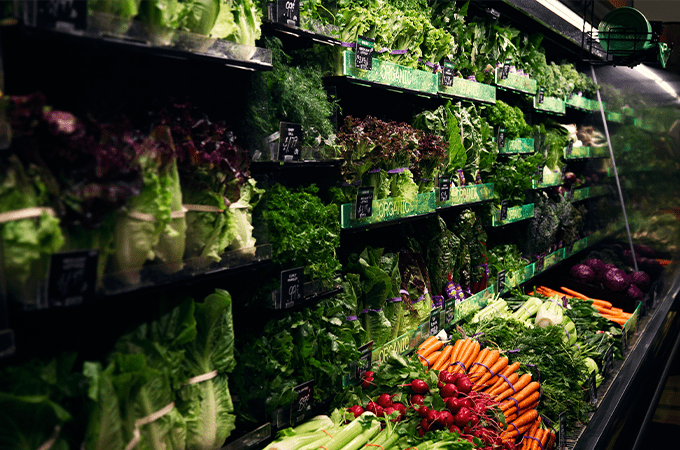
Vitamin B12
Adequate vitamin B12 intake is important for maintaining bone mineral density. It’s made by certain microorganisms in the soil and water, which are then absorbed by grazing animals. Non-meat eaters should consider a vitamin B12 supplement to avoid deficiencies and compromised bone health.
Magnesium
Magnesium is essential for bone development and mineralization. Nuts, seeds, leafy greens, legumes, and whole grains are some of the best sources of magnesium. Notice these foods also made the calcium list above. Mother Nature sure knows what she’s doing, doesn’t she?
Potassium
Without enough potassium, the body leaches alkaline minerals—including calcium—from bones to balance acidity. Potassium also reduces urinary calcium loss and improves calcium retention, helping to maintain overall bone mineral density.
Just like magnesium, whole plant foods like greens and legumes are the go-to choice for meeting both your calcium and potassium needs!
Key Takeaway
Eating a variety of whole plant foods provides calcium alongside other essential bone-building nutrients while also helping you avoid habits that accelerate bone loss. The best strategy for lifelong bone health is to nourish your body with colorful, minimally processed foods, stay active, and make daily choices that support your skeleton from the inside out.