
The Original Thanksgiving, Then and Now: The Power of Legumes
The following article was written by Heinen’s Chief Dietitian, Melanie Jatsek RD, LD.
Listen to this Article
Some of my earliest Thanksgiving memories involve sitting at the dinner table, wondering where the original Pilgrims bought their tubes of crescent rolls and marshmallows for their sweet potatoes. It was 1621 after all, and the first Heinen’s didn’t open until 1929!
It turns out flaky rolls and sweet potatoes weren’t even on the menu. Also surprisingly absent from the first Thanksgiving dinner were white potatoes, pumpkin pie (or any other pie), and cranberry sauce!
You’re probably thinking, besides turkey, what’s left? And please tell me there was a big, juicy turkey on that table, Mel!
The Original Thanksgiving Menu
Historians are confident that the original Thanksgiving shared by the Wampanoag people and English colonists included wild fowl, venison, and corn, in grain form for bread or porridge.
OK, but what about turkey?
William Bradford, governor of Plymouth Colony at the time, noted in his account of the colony’s early years: “Besides waterfowl there was great store of wild turkeys, of which they took many, besides venison, etc.”
While turkeys were plentiful at the time of the first Thanksgiving, we can’t say for sure they were served.
As I researched the dietary pattern of the Wampanoags, I was tickled pink to discover the striking similarity to a Club Fx-centered diet. Meat represented less than 20% of their meals and about 70% came from farmed produce. Flint corn (multicolored Indian corn) was their staple crop, followed by beans, pumpkins, and other squashes. In fact, the Wampanoag cultivated corn, beans, and squash together in a traditional agricultural system often called the Three Sisters.
The remainder of their diet came from fish, eggs, roots, berries, chestnuts, walnuts and beechnuts.
With this discovery, it’s likely that shellfish, beans, and squash were also part of the original feast. And to drink? Water.
Nutritionally speaking, the first Thanksgiving leaves much to be celebrated. But one food in particular stands out above the rest— the small but mighty legume.
Tiny Nutrition Powerhouses with Huge Health Benefits
I’d like to believe that their superstar status as a Club Fx-Approved whole food was the reason behind the Wampanoag’s love of legumes. I wonder if they had insider knowledge on their health-boosting power. Maybe they were onto something long before modern science caught up!
I know I sound like a broken record, but let me just say that legumes— dried peas, beans, and lentils— are the bomb. No really! They are one of the top foods recommended by the most brilliant minds in nutrition. One of these experts, Dr. Joel Fuhrman, MD, includes them alongside five other Fx-Approved power foods that he suggests eating every day for optimal health. He created the clever acronym G-BOMBS to help us remember: Greens, Beans, Onions, Mushrooms, Berries, Seeds.
Now that you’ve seen this, I guarantee you’ll never forget it. You’re welcome!
OK, now back to beans.
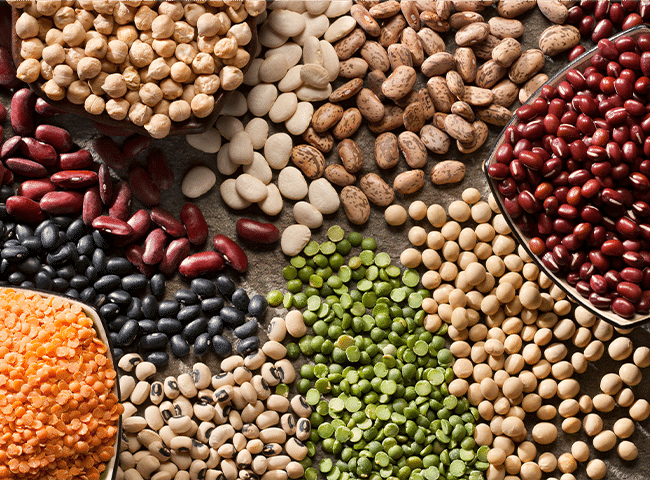
Legumes are the most nutrient-dense starch sources available. They even beat out whole grains! Adzuki, black, cannellini, chickpea (garbanzo), edamame, great northern, kidney, mung, navy, pinto, red, and soybeans all have health-promoting power. Peas and green, red, and black lentils do too!
Cardiovascular Benefits
Beans are rich in cholesterol-lowering soluble fiber, which helps keep blood pressure down too.
Of course, when we talk about heart health, we must also add blood sugar to the conversation. It turns out the fiber in legumes slows stomach emptying and the absorption of carbohydrates from a meal, which decreases the after-meal rise in glucose and insulin. This supports healthier hemoglobin A1C and fasting blood glucose levels, both key cardiovascular and metabolic health indicators included in your routine bloodwork.
Weight Control Benefits
High-fiber foods increase chewing time, and beans are no exception. Beans and other legumes also promote feelings of satiety, which helps to reduce appetite and total calorie intake.
Gut Health Benefits
The fiber in legumes helps nourish a diverse gut microbiome and promotes the production of beneficial compounds, such as short-chain fatty acids, that support the gut lining, immune health, and metabolic function.
Cancer Reduction Benefits
The high fiber content of beans speeds up intestinal transit time and dilutes potential carcinogens in the colon. Eating beans and other legumes regularly is linked to reduced risk of colorectal cancer, prostate cancer, and breast cancer.
10 Clever Ways to Leverage Legumes in Your Meals
If I managed to convince you that legumes are worthy of a place on your daily plate, here are ten simple ways to make that happen. A word of advice if you aren’t a regular bean eater: start slow with a couple of tablespoons and work your way up over time.
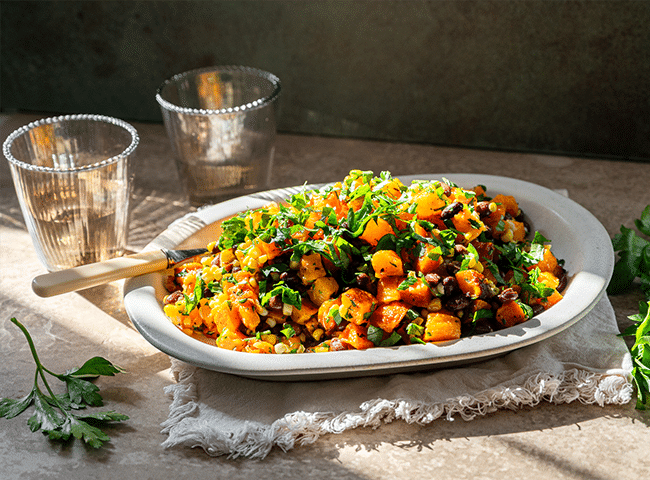
1. Bring some history to your Thanksgiving feast this year with this colorful Three Sisters-inspired Fx-Approved Butternut Squash, Corn and Black Bean Salad.
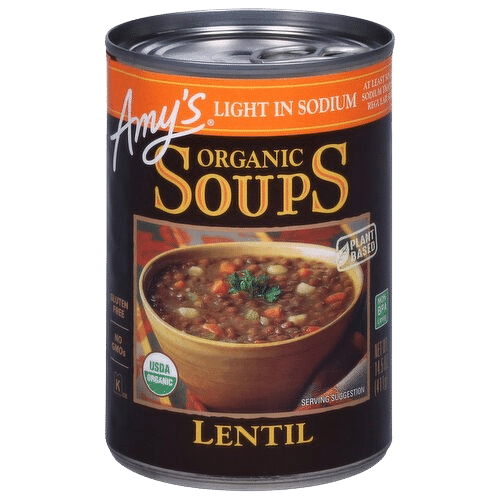
2. Amy’s Kitchen Organic Light in Sodium Lentil Soup for a quick lunch.
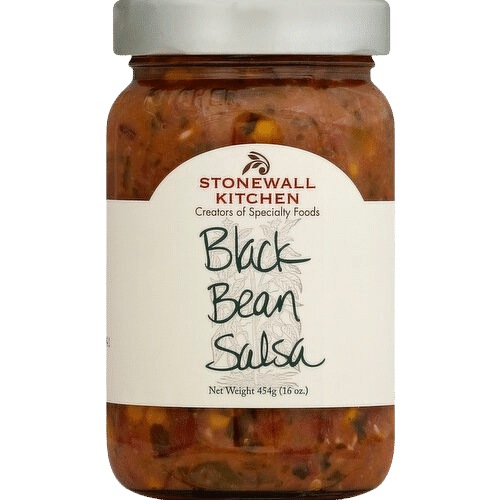
3. Stonewall Kitchen Black Bean Salsa as a topping for baked potatoes.
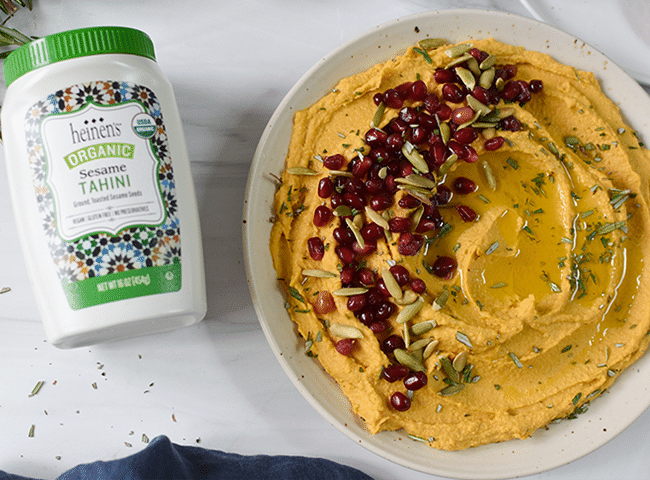
4. As a Thanksgiving veggie dip in this 5-minute Creamy Pumpkin Hummus.
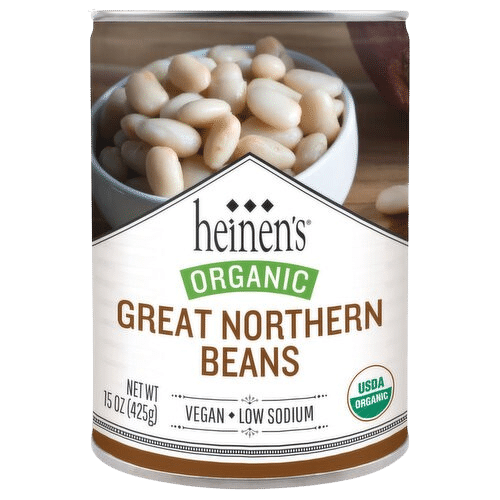
5. Heinen’s Organic Great Northern Beans blended into marinara sauce or mashed potatoes.
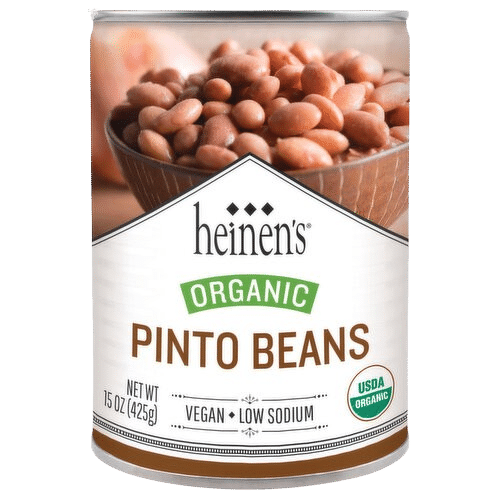
6. Beans over greens: Top a simple garden salad with 1/4 – 1/2 cup of Heinen’s Organic Pinto Beans.
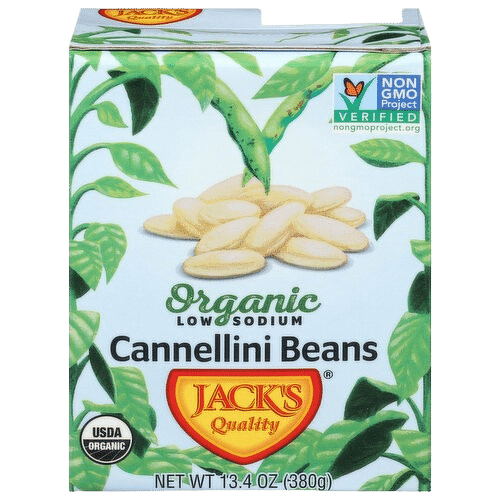
7. Jack’s Organic Low Sodium Cannellini Beans as a topping for avocado toast.
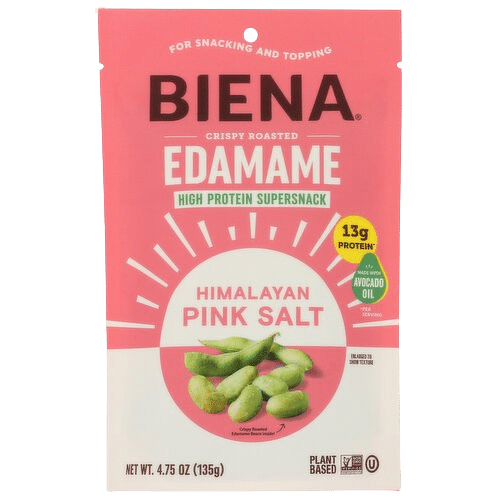
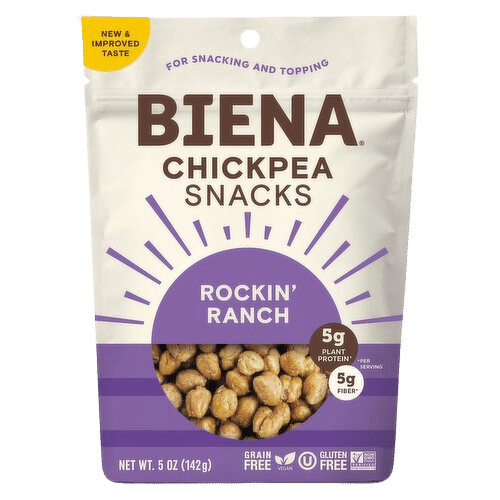
8. Biena Crispy Roasted Edamame or Biena Chickpea Snacks for a crunchy snack.
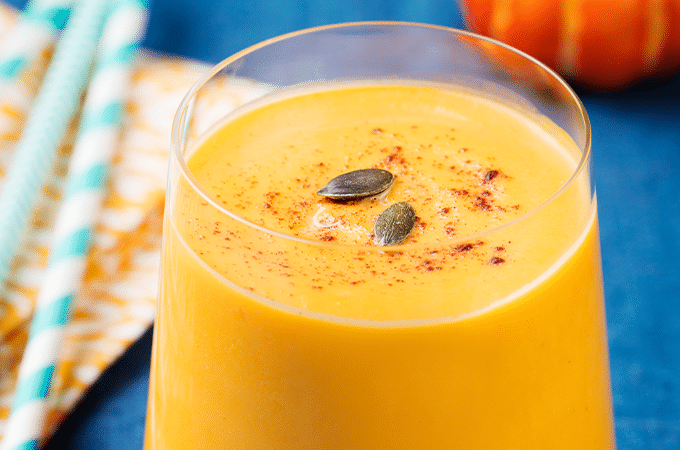
9. White beans blended in a smoothie (don’t knock it till you try it) in this Pumpkin Patch Smoothie.
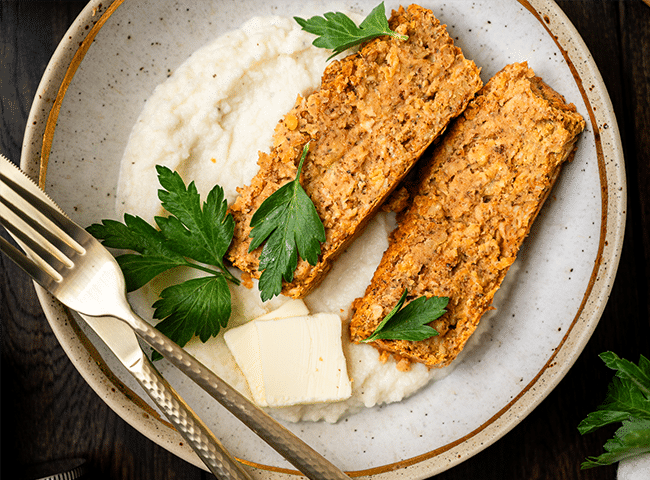
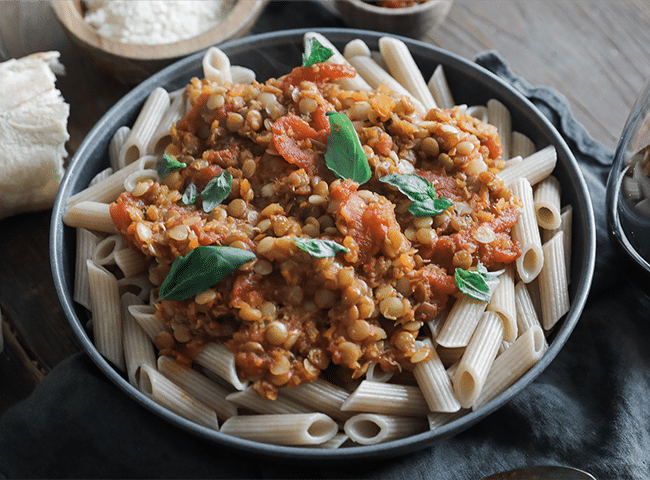
10. Score points with your vegetarian guests on Thanksgiving when you prepare this Red Lentil Loaf or Lentil Bolognese. Turkey-eaters will like it too!
Key Takeaway
The first Thanksgiving menu may have looked different from the one we enjoy today, but it likely featured a nutritional superstar that deserves a place on our plates year-round: legumes! Packed with fiber and essential nutrients, beans, peas, and lentils support heart health, blood sugar balance, weight management, gut health, and overall wellness. Don’t wait until January 1st! Find creative ways to add more legumes today and start enjoying the benefits just in time for the holidays!
Sources:
- What Food Was Served at the First Thanksgiving in 1621?
- G-BOMBS: The anti-cancer foods that should be in your diet right now
- Why pulses could play a bigger role in healthy and sustainable diets