
The Creatine Connection: Energy, Strength & Brain Health
The following article was written by Heinen’s Chief Dietitian, Melanie Jatsek RD, LD.
Listen to this Article
I’m a pretty positive, glass-half-full type of person, but when it comes to supplements, I can be quite the skeptic. Part of this personality trait has to do with my formal training as a dietitian. “Food first” is what the curriculum taught.
I still believe, practice, and preach a food-first message today; however, the truth is that there are some things we can’t get in sufficient quantities from food. A good example is creatine.
What is Creatine?
Creatine is a naturally occurring compound first extracted from beef muscle in 1832 by French chemist Michel-Eugène Chevreul. He named it creatine, derived from kreas, the Greek word for “meat.”
Creatine helps produce ATP (adenosine triphosphate)—the body’s primary energy source that powers movement, exercise, and daily living. About 95% of the body’s creatine is stored in skeletal muscle, and the rest is found in the brain and other tissues.
It’s helpful to think of creatine as the body’s personal phone charger. When your cellular energy starts to run low, creatine helps quickly recharge it back to normal.
Creatine is a brilliant “adaptive” nutrient because it helps your cells acclimate to changing energy demands—think exercise, mental demands, stress, and aging.
Benefits of Creatine in Muscles
Creatine works by “topping off the tank” of creatine already present in your muscles. It can increase muscle creatine concentration by 20%, thereby improving exercise performance (especially high-intensity exercise), building strength and endurance, and improving exercise recovery.

Brain Benefits of Creatine
Creatine supplementation may support aspects of cognitive function, including memory, attention, and information processing. Emerging research suggests these effects may be more noticeable under conditions of sleep deprivation, mental fatigue, or other cognitive stress, when the brain’s energy demands are increased.
Creatine also demonstrates potential as a neuroprotective agent in those suffering from concussions and is associated with cognitive improvements in the Alzheimer’s population.
How Women Can Benefit from Creatine
Traditionally thought of as a workout supplement for men, research shows that creatine supplementation may offer benefits for females, particularly:
- Improved strength and exercise capacity
- Enhanced body composition and bone mineral density when combined with resistance training (particularly in post-menopausal women)
- Improved mood and cognition
- Support for reproductive health and cellular energy in reproductive tissues
Food Sources of Creatine
Since I’m a believer in food first, I investigated food sources of creatine that I could build into my meal plan. That’s when I ran into a bit of a problem.
The good news is creatine is naturally occurring in muscles, which means it can be naturally obtained from animal sources like beef, pork, fish, and chicken.
Now for the challenging news.
The average person would have to eat 36 ounces of chicken each day to reach the standard creatine dose. Even if you love chicken, that amount is unrealistic and unhealthy.
That’s where supplemental creatine comes in.

Creatine Supplements and Safety
Creatine has the power of history and extensive research on its side, with the very first creatine supplement dating back to 1847 and the first human supplement study happening in 1926.
More recently, a 2025 creatine supplement safety review of 680 studies and more than 13,000 human subjects showed creatine monohydrate to be safe, well-tolerated, and beneficial across the lifespan.
It’s worth noting that 99% of research to date is on creatine monohydrate.
Creatine Supplements at Heinen’s
Plant-based eaters can rejoice because supplemental creatine monohydrate is typically produced synthetically and does not need to be derived from animals. In fact, the following creatine monohydrate supplements in Heinen’s Wellness Department are all free from animal products and therefore vegan-friendly.
- Heinen’s Creatine Monohydrate
- Ascent Clean Creatine Monohydrate
- Sun Warrior Active Creatine Monohydrate
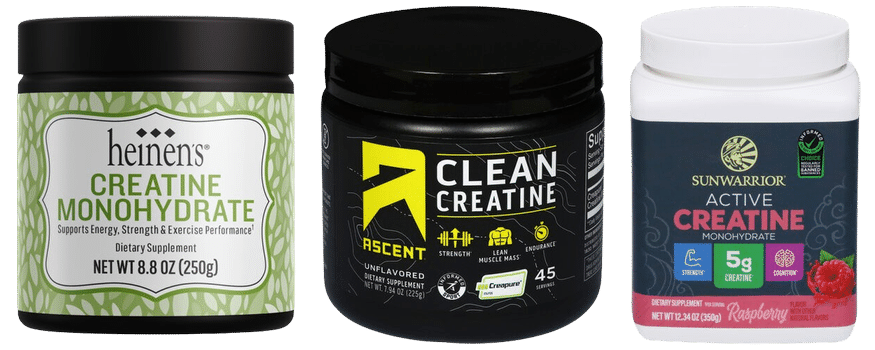
One scoop of each brand delivers 5 grams of creatine monohydrate in an easily dissolvable form.
How to Take Creatine Supplements
For maximum absorption, it’s best to combine creatine monohydrate powder with carbohydrate-rich foods. Try mixing in oatmeal or yogurt or blending in smoothies!
You may also want to consider taking creatine after your workout, as exercise seems to enhance muscle creatine uptake. More importantly, though, is taking creatine consistently each day.
Key Takeaway
Think of creatine as your body’s cellular “recharge button.” From powering muscles to supporting your brain, creatine helps meet the body’s changing energy demands—and supplementation can help fill a gap that food alone may not easily provide.
*Check with your healthcare provider before starting any new supplements.